
As a supplier of Leak - Proof Inner Plugs, I often find myself in discussions about the effectiveness of these plugs in preventing leaks. The question that frequently arises is: Can a Leak - Proof Inner Plug prevent all types of leaks? In this blog, I will delve into this topic, exploring the capabilities and limitations of Leak - Proof Inner Plugs.
Understanding Leak - Proof Inner Plugs
Leak - Proof Inner Plugs are designed to provide an additional layer of sealing for containers. They are typically inserted into the neck of a bottle or container, creating a tight seal between the container and its closure. This helps to prevent the contents from leaking out, whether it's a liquid, powder, or gas. The materials used in these plugs are carefully selected for their sealing properties. Common materials include rubber, silicone, and plastic, each offering different levels of flexibility, durability, and chemical resistance.
Types of Leaks
To determine if a Leak - Proof Inner Plug can prevent all types of leaks, we first need to understand the different types of leaks that can occur.
1. Liquid Leaks
Liquid leaks are perhaps the most common type of leak. They can occur due to a variety of reasons, such as improper sealing, damage to the container or closure, or changes in temperature and pressure. For example, if a bottle of shampoo is not sealed properly, the shampoo may leak out during transportation or storage. Leak - Proof Inner Plugs can be very effective in preventing liquid leaks. Their tight seal helps to keep the liquid inside the container, even when there is a slight movement or pressure change. Leak - Proof Inner Plug is designed to fit snugly into the neck of the container, creating a barrier that prevents the liquid from seeping out.
2. Gas Leaks
Gas leaks can be more dangerous than liquid leaks, especially if the gas is flammable or toxic. They can occur when there is a gap between the container and the closure, allowing the gas to escape. Leak - Proof Inner Plugs can also play a role in preventing gas leaks. However, their effectiveness depends on the type of gas and the pressure inside the container. For high - pressure gases, a more specialized sealing solution may be required. But for most common gases, a well - designed Leak - Proof Inner Plug can provide a reliable seal.
3. Powder Leaks
Powder leaks are often caused by vibration or movement during transportation. The fine particles of powder can easily escape through small gaps in the container. Leak - Proof Inner Plugs can help to prevent powder leaks by providing a tight seal. The flexible material of the plug conforms to the shape of the container neck, preventing the powder from sifting out.
Limitations of Leak - Proof Inner Plugs
While Leak - Proof Inner Plugs are effective in many situations, they do have their limitations.
1. Extreme Conditions
Under extreme conditions, such as very high temperatures or pressures, the performance of Leak - Proof Inner Plugs may be compromised. For example, if a container is exposed to high temperatures for an extended period, the material of the plug may expand or soften, reducing its sealing ability. Similarly, if the pressure inside the container is too high, the plug may be pushed out, resulting in a leak.


2. Improper Installation
If the Leak - Proof Inner Plug is not installed correctly, it may not provide an effective seal. This can happen if the plug is not the right size for the container neck or if it is not inserted properly. For example, if the plug is too small, it may not create a tight seal, allowing the contents to leak out.
3. Chemical Compatibility
Some chemicals can react with the material of the Leak - Proof Inner Plug, causing it to degrade or lose its sealing properties. For example, certain solvents may dissolve the rubber or plastic of the plug, leading to a leak. It is important to choose a plug that is compatible with the contents of the container.
Complementary Packaging Solutions
To enhance the leak - prevention capabilities, Leak - Proof Inner Plugs can be used in conjunction with other packaging accessories.
1. Dispenser Pump Dust Cap
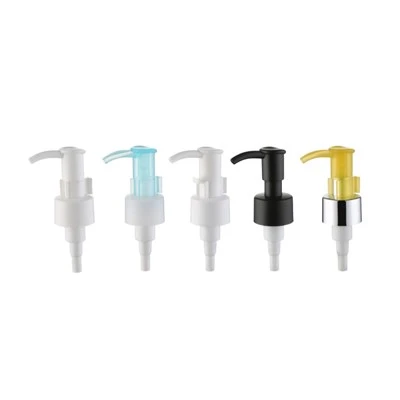
A Dispenser Pump Dust Cap can provide an additional layer of protection for containers with dispenser pumps. It helps to keep dust and debris out of the pump, preventing contamination and potential leaks.
2. Caps and Closures in Packaging
Caps and Closures in Packaging are essential for sealing containers. When used with Leak - Proof Inner Plugs, they can provide a more secure seal, reducing the risk of leaks.
3. Vented Caps for Bottles
Vented Caps for Bottles are useful for containers that need to release pressure. They can be used in combination with Leak - Proof Inner Plugs to ensure that the container remains sealed while allowing for the release of excess pressure.
4. Labels and Stickers for Dispensing Bottles
Labels and Stickers for Dispensing Bottles not only provide information about the product but can also help to reinforce the seal. They can be used to cover the gap between the container and the closure, preventing leaks.
Conclusion
In conclusion, while a Leak - Proof Inner Plug is a valuable tool for preventing leaks, it cannot prevent all types of leaks. Its effectiveness depends on various factors, including the type of leak, the conditions under which the container is stored and transported, and the proper installation and selection of the plug. However, when used in combination with other packaging accessories, Leak - Proof Inner Plugs can significantly reduce the risk of leaks.
If you are interested in learning more about our Leak - Proof Inner Plugs or other packaging solutions, we invite you to contact us for a procurement discussion. We are committed to providing high - quality products and excellent customer service to meet your packaging needs.
References
- Packaging Technology Handbook, Third Edition. Edited by Wilmer A. Jenkins and James P. Harrington.
- The Wiley Encyclopedia of Packaging Technology. Edited by Rosato, Dominick V.