
As a supplier of Snap - on Lotion Pumps, one question that I'm frequently asked by customers is whether these pumps require any special maintenance. In this blog post, I'll delve into this topic in detail, exploring the nature of snap - on lotion pumps, their regular upkeep needs, and when special maintenance might be necessary.
Understanding the Snap - on Lotion Pump
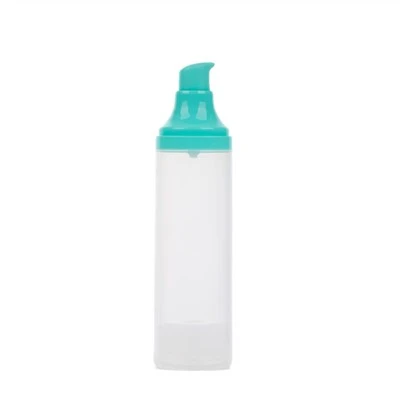
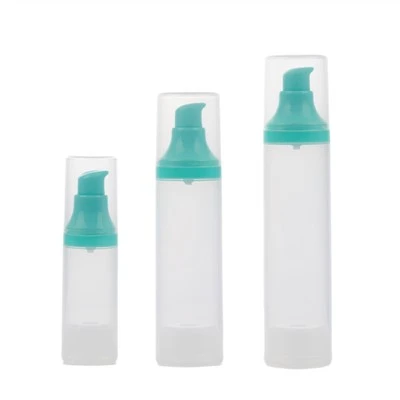
Before discussing maintenance, it's important to understand what a snap - on lotion pump is. A snap - on lotion pump is a type of dispenser designed to draw product from a container and control its release. These pumps are commonly used for various personal care products such as lotions, creams, and liquid soaps. They are popular because of their ease of use; they simply snap onto the top of the container, providing a quick and secure attachment.


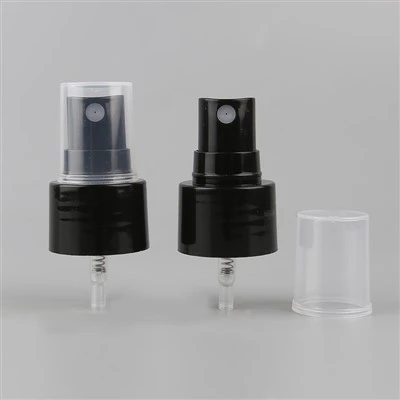
The basic structure of a snap - on lotion pump consists of a pump body, a plunger, a spring, and a nozzle. When the pump head is pressed, the plunger moves down, compressing the spring and forcing the product out through the nozzle. As the pressure on the pump head is released, the spring expands, pulling in more product from the container for the next use.
General Maintenance Requirements
Fortunately, snap - on lotion pumps are relatively low - maintenance devices. Here are some general maintenance steps that users can follow to ensure the proper functioning of the pump over time:
Regular Cleaning
One of the most straightforward maintenance tasks is regular cleaning. Over time, product residue can build up on the nozzle and around the pump head. This residue not only looks unappealing but can also clog the pump, preventing it from dispensing the product smoothly.
To clean the pump, first, remove it from the container. You can soak the pump in warm, soapy water for a few minutes. Use a soft brush, such as an old toothbrush, to gently scrub away any residue from the nozzle, pump head, and other visible parts. Rinse the pump thoroughly with clean water and let it dry completely before reattaching it to the container.
Checking for Leaks
Periodically, it's important to check the pump for leaks. Leaks can occur if the pump is not properly snapped onto the container or if there is damage to the pump components. To check for leaks, place the container upright and press the pump head a few times. Look for any signs of product leakage around the pump base or the nozzle. If you notice a leak, try reattaching the pump securely. If the problem persists, it may be a sign of a damaged pump that requires replacement.
Monitoring the Spring
The spring inside the pump is a critical component that allows the pump to function properly. Over time, the spring may lose its elasticity or become damaged. You can monitor the spring's condition by observing how the pump performs. If the pump requires excessive force to press or if the product is not dispensed in a consistent manner, the spring may be the culprit. While it's not always easy to replace the spring on your own, in some cases, it may be possible to find replacement parts from the Cosmetic Lotion Pump manufacturer or a supplier.
Situations Requiring Special Maintenance
While regular maintenance can keep most snap - on lotion pumps in good working order, there are some situations where special maintenance is required.
Contamination
If the product in the container becomes contaminated, it can quickly affect the pump's performance. Contamination can occur if bacteria, fungi, or other foreign substances enter the container. In such cases, it's necessary to clean the pump more thoroughly.
Start by emptying the container of all product. Soak the pump in a disinfectant solution, following the manufacturer's instructions. After the recommended soaking time, scrub the pump with a soft brush to remove any remaining contaminants. Rinse the pump well with clean water and allow it to dry completely. You may also need to clean the inside of the container to prevent re - contamination when you refill it.
Blockages
Sometimes, the pump may become completely blocked, preventing any product from being dispensed. This can be caused by dried product inside the nozzle or the pump mechanism. To clear a blockage, you can try soaking the pump head in warm water for an extended period, which may help dissolve the dried product. If this doesn't work, you can use a fine wire, such as a straightened paperclip, to gently probe the nozzle and dislodge the blockage. However, be careful not to damage the nozzle or other components of the pump.
Harsh Chemical Products
If the snap - on lotion pump is used with harsh chemical products, such as some industrial cleaners or certain types of cosmetics with high - strength additives, it may require more frequent maintenance. These chemicals can corrode the pump components over time. In such cases, it's advisable to consult the pump manufacturer for specific maintenance guidelines. They may recommend using a pump made from materials that are more resistant to the chemicals or suggest more frequent cleaning and inspection.
Comparing with Other Pump Types
It's also interesting to compare the maintenance requirements of snap - on lotion pumps with other types of pumps in the market. For example, the Airless Pump works on a different principle. Airless pumps are designed to prevent air from entering the container, which helps preserve the product's integrity. However, they can be more complex in design and may require more specialized maintenance.
The Cosmetic Spray Pump is another type. These pumps are designed to create a fine mist, which means they have smaller nozzles and more precise internal mechanisms. Blockages are more likely to occur in spray pumps compared to snap - on lotion pumps, and they may require more delicate cleaning techniques.
On the other hand, Make Up Remover Bottle and Soft Touch Bottle dispensers may come with different types of pumps. Some may have a simple flip - top or squeeze design, which generally has different maintenance requirements compared to snap - on lotion pumps.
Conclusion
In conclusion, snap - on lotion pumps do not typically require special maintenance in most normal usage scenarios. Regular cleaning, leak checks, and basic monitoring of the spring are usually sufficient to keep the pump functioning well. However, in cases of contamination, blockages, or when using harsh chemical products, special maintenance steps may be necessary.
As a supplier of snap - on lotion pumps, we are committed to providing high - quality products and excellent customer support. If you have any questions about the maintenance of our pumps or if you are interested in purchasing snap - on lotion pumps for your business, please feel free to contact us for further discussions and procurement negotiations. We are here to assist you in finding the best solutions for your packaging needs.
References
- Industry research on pump dispenser technology
- Manufacturer's guidelines for snap - on lotion pumps