
Screw-on spray pumps are a common sight in various industries, especially in the cosmetic and household product sectors. As a supplier of screw-on spray pumps, I often encounter questions from customers about the technical aspects of these products. One of the most frequently asked questions is whether screw-on spray pumps have a valve system. In this blog post, I will delve into this topic and provide a comprehensive explanation.

Understanding the Basics of Screw-on Spray Pumps
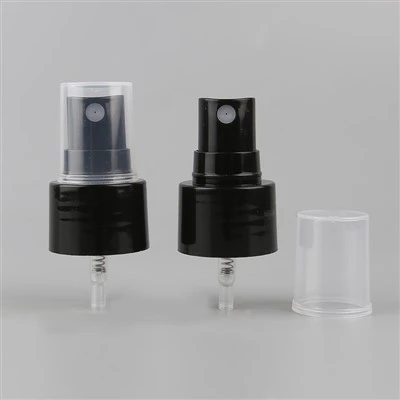
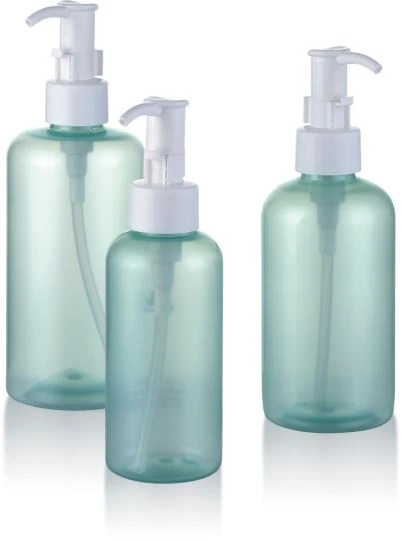
Before we discuss the valve system, let's first understand what a screw-on spray pump is. A screw-on spray pump is a type of dispensing device that is designed to attach to a bottle or container by screwing onto its neck. This type of pump is widely used for products such as perfumes, hair sprays, cleaning solutions, and Make Up Remover Bottle. The main function of a screw-on spray pump is to convert the liquid product inside the container into a fine mist or spray, allowing for easy and controlled application.
The Role of Valve Systems in Screw-on Spray Pumps
Yes, screw-on spray pumps do have a valve system, and it plays a crucial role in the proper functioning of the pump. The valve system in a screw-on spray pump is responsible for controlling the flow of liquid and air within the pump mechanism. There are typically two main types of valves in a screw-on spray pump: the inlet valve and the outlet valve.
Inlet Valve
The inlet valve is located at the bottom of the dip tube, which extends into the liquid product inside the container. Its primary function is to allow the liquid to enter the pump chamber when the pump is actuated. When the pump head is pressed down, a vacuum is created inside the pump chamber. This vacuum causes the inlet valve to open, allowing the liquid to be drawn up through the dip tube and into the chamber.
Outlet Valve
The outlet valve is located near the nozzle of the pump. Its role is to control the release of the liquid from the pump chamber and into the air as a spray. When the pump head is released after being pressed down, the pressure inside the pump chamber decreases, and the outlet valve opens. This allows the liquid to flow through the nozzle and be dispersed as a fine mist.
How the Valve System Affects Performance
The valve system in a screw-on spray pump has a significant impact on its performance. A well-designed valve system ensures that the pump operates smoothly and efficiently, providing a consistent spray pattern and dosage. Here are some ways in which the valve system affects performance:
Spray Pattern
The design and operation of the valves can influence the shape and quality of the spray pattern. A properly functioning outlet valve helps to create a fine, uniform mist, while a faulty valve may result in a uneven or clumpy spray.
Dosage Control
The valve system also plays a role in controlling the amount of liquid dispensed with each pump actuation. The inlet valve regulates the amount of liquid entering the chamber, and the outlet valve determines how much of that liquid is released as a spray. This allows for precise dosage control, which is important for products where accurate application is required.
Air Intake
In addition to controlling the flow of liquid, the valve system also manages the intake of air into the container. When the pump head is released, air is drawn into the container through a small vent or air intake valve. This helps to equalize the pressure inside the container and prevent a vacuum from forming, which could otherwise make it difficult to dispense the product.
Different Types of Valve Designs
There are several different types of valve designs used in screw-on spray pumps, each with its own advantages and disadvantages. Some of the most common valve designs include ball valves, spring-loaded valves, and diaphragm valves.
Ball Valves
Ball valves consist of a small ball that moves freely within a valve chamber. When the pump is actuated, the ball is lifted off its seat, allowing liquid to flow through the valve. When the pressure is released, the ball drops back onto its seat, closing the valve. Ball valves are simple and reliable, but they may not provide the same level of precision as other valve designs.
Spring-Loaded Valves
Spring-loaded valves use a spring to keep the valve closed. When the pump is actuated, the pressure inside the chamber compresses the spring, allowing the valve to open. When the pressure is released, the spring expands, closing the valve. Spring-loaded valves offer better precision and control compared to ball valves, but they are more complex and may be more prone to clogging.
Diaphragm Valves
Diaphragm valves use a flexible diaphragm to control the flow of liquid. When the pump is actuated, the diaphragm is deformed, allowing liquid to pass through the valve. When the pressure is released, the diaphragm returns to its original shape, closing the valve. Diaphragm valves are highly efficient and provide excellent control, but they can be more expensive to manufacture.
Applications of Screw-on Spray Pumps with Valve Systems
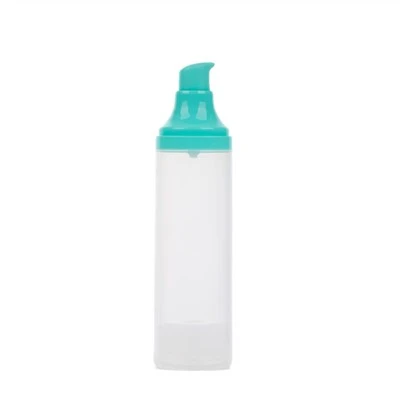
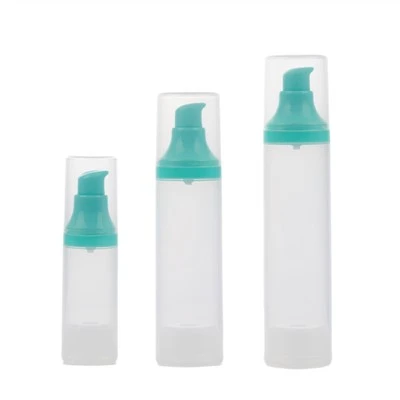
The valve system in screw-on spray pumps makes them suitable for a wide range of applications. In the cosmetic industry, screw-on spray pumps are commonly used for products such as Airless Pump, Makeup Remover Pump Dispenser, and Cosmetic Lotion Pump. These pumps allow for precise and hygienic application of products, ensuring that the right amount of product is used each time.
In the household product sector, screw-on spray pumps are used for cleaning solutions, air fresheners, and personal care products. The valve system in these pumps ensures that the product is dispensed evenly and efficiently, making cleaning and other tasks easier.
Considerations for Choosing Screw-on Spray Pumps with Valve Systems
When choosing screw-on spray pumps with valve systems, there are several factors to consider. These include the type of product to be dispensed, the desired spray pattern and dosage, and the compatibility of the pump with the container.
Product Compatibility
It is important to choose a pump that is compatible with the product to be dispensed. Different products have different viscosities and chemical properties, which can affect the performance of the pump. For example, a thick lotion may require a pump with a larger valve opening to ensure smooth dispensing, while a thin liquid may require a more precise valve design to control the dosage.
Spray Pattern and Dosage
The desired spray pattern and dosage are also important considerations. Some applications may require a fine mist, while others may need a more concentrated stream. The valve system should be designed to meet these requirements. Additionally, the dosage control should be accurate and consistent to ensure that the user gets the right amount of product each time.
Container Compatibility
The pump should be compatible with the container in terms of size, shape, and thread type. A proper fit ensures that the pump is securely attached to the container and that there are no leaks or other issues.
Conclusion
In conclusion, screw-on spray pumps do have a valve system, and it is an essential component that affects the performance and functionality of the pump. The valve system controls the flow of liquid and air, ensuring a consistent spray pattern, precise dosage control, and proper air intake. There are different types of valve designs available, each with its own advantages and disadvantages. When choosing screw-on spray pumps, it is important to consider factors such as product compatibility, spray pattern, dosage, and container compatibility.
As a supplier of screw-on spray pumps, we have a wide range of products available to meet your specific needs. Whether you are in the cosmetic, household product, or any other industry, we can provide you with high-quality screw-on spray pumps with reliable valve systems. If you are interested in purchasing our products or have any questions, please feel free to contact us for a detailed discussion and to explore the best solutions for your business.
References
- [Some Textbook on Packaging Technologies]: This textbook provides in - depth knowledge on the design and function of various packaging components, including spray pump valves.
- [Research Papers on Fluid Dynamics in Spray Pumps]: These research papers explore the scientific principles behind the operation of spray pumps and their valve systems, focusing on fluid flow and pressure dynamics.