
In the realm of chemical packaging, certifications play a pivotal role in ensuring the safety, quality, and compliance of the materials used. As a chemical packaging supplier, I understand the significance of these certifications and how they impact our products and the industry as a whole. This blog post will delve into the various certifications for chemical packaging materials, shedding light on their importance and what they mean for our customers.


Understanding the Need for Certifications
Chemical packaging materials are designed to contain a wide range of substances, from hazardous chemicals to fertilizers and solvents. These materials must be able to withstand the chemical properties of the contents, prevent leakage, and ensure the safety of the end - users. Certifications act as a guarantee that the packaging materials meet specific standards and regulations. They provide assurance to customers that the products they are purchasing are of high quality and safe to use.
Key Certifications for Chemical Packaging Materials
UN Certification
The United Nations (UN) certification is one of the most well - known and widely recognized certifications in the chemical packaging industry. It is specifically designed for the transport of dangerous goods. Packaging materials that carry the UN certification are tested to ensure they can withstand the rigors of transportation, including impacts, vibrations, and changes in temperature and pressure.
The UN certification process involves a series of tests, such as drop tests, stacking tests, and leakproofness tests. For example, in a drop test, the packaging is dropped from a specified height to simulate a potential fall during transportation. If the packaging passes these tests, it is assigned a UN number, which indicates the type of packaging and the substances it can safely contain. This certification is crucial for any chemical packaging supplier involved in the international transport of dangerous goods.
ISO Certification
The International Organization for Standardization (ISO) offers a range of certifications related to quality management, environmental management, and safety. ISO 9001 is a quality management system certification that demonstrates a company's commitment to providing high - quality products and services. For a chemical packaging supplier, this means having processes in place to ensure consistent quality in the manufacturing of packaging materials.
ISO 14001 is an environmental management system certification. It shows that the company is taking steps to minimize its environmental impact. This could involve using sustainable materials, reducing waste during the manufacturing process, and ensuring proper disposal of packaging materials at the end of their life cycle. ISO 45001 focuses on occupational health and safety, ensuring that the working environment in the manufacturing facility is safe for employees.
FDA Certification
The U.S. Food and Drug Administration (FDA) certification is essential for chemical packaging materials that come into contact with food or pharmaceuticals. This certification ensures that the packaging materials do not leach harmful substances into the contents. For example, plastic containers used to store food products must be made from materials that are approved by the FDA.
The FDA has strict regulations regarding the composition of packaging materials and the testing methods used to ensure their safety. Chemical packaging suppliers must provide detailed information about the materials used, their manufacturing processes, and the results of any safety tests to obtain FDA certification.
Industry - Specific Certifications
Agrochemical Packaging Certifications
Agrochemicals, such as pesticides and fertilizers, require specialized packaging to ensure their safety and effectiveness. For agrochemical plastic drums Agrochemical Plastic Drums and Fertilizer Packaging Drums, certifications are in place to prevent leakage and contamination. These certifications often include requirements for the thickness of the drum walls, the type of closure system, and the resistance to chemical corrosion.
In addition to general safety certifications, agrochemical packaging may also need to meet specific regulations related to environmental protection. For example, some countries have strict rules regarding the disposal of empty agrochemical containers to prevent soil and water contamination.
Solvent Packaging Certifications
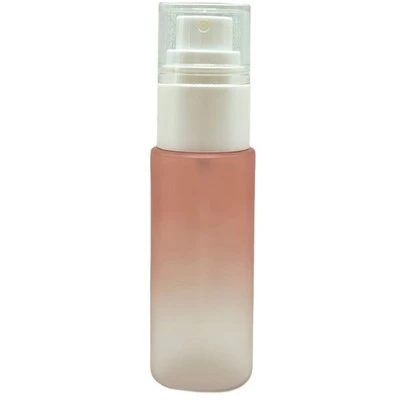
Chemical solvents are highly volatile and can be dangerous if not properly packaged. Chemical Solvent Bottles must be certified to ensure they can withstand the pressure and chemical properties of the solvents. Certifications for solvent packaging often focus on the material's resistance to chemical attack, its ability to prevent evaporation, and its compatibility with different types of solvents.
Plastic Chemical Barrels
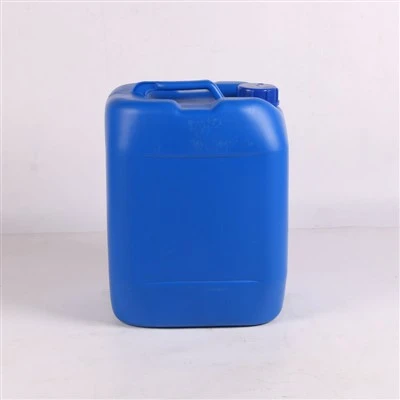
Plastic Chemical Barrels are commonly used for storing and transporting large quantities of chemicals. These barrels need to be certified to ensure they can handle the weight and volume of the chemicals, as well as any potential changes in temperature and pressure. Certifications for plastic chemical barrels may include tests for strength, durability, and chemical resistance.
Agrochemical Plastic Bottles
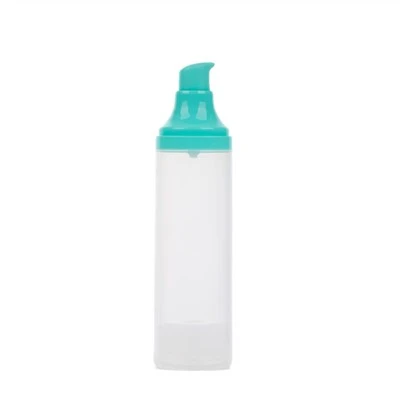
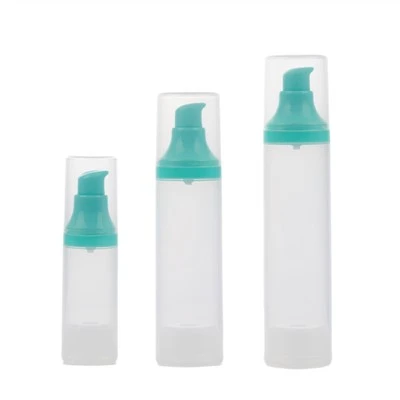
Agrochemical Plastic Bottles are another important type of packaging in the agrochemical industry. They need to be certified to ensure they are leak - proof, resistant to chemical degradation, and easy to use. Certifications for these bottles often involve tests for seal integrity, impact resistance, and compatibility with agrochemical formulations.
The Impact of Certifications on Our Business
As a chemical packaging supplier, certifications are not just a regulatory requirement; they are a competitive advantage. Customers are increasingly demanding certified packaging materials to ensure the safety and quality of their products. By obtaining and maintaining these certifications, we can offer our customers peace of mind and build long - term relationships.
Certifications also help us improve our manufacturing processes. The testing and evaluation required for certification force us to constantly review and enhance our production methods, leading to better - quality products and increased efficiency.
How to Choose the Right Certified Packaging
When choosing chemical packaging materials, customers should look for products that have the appropriate certifications. They should also consider the specific requirements of their chemicals, such as their chemical properties, storage conditions, and transportation needs.
For example, if a customer is transporting a highly corrosive chemical, they should choose packaging materials with a high level of chemical resistance and a UN certification for the transport of dangerous goods. If the chemical is a food - grade substance, the packaging should have FDA certification.
Contact Us for Your Chemical Packaging Needs
If you are in the market for high - quality, certified chemical packaging materials, we are here to help. Our team of experts can assist you in choosing the right packaging solutions for your specific needs. We offer a wide range of products, including Agrochemical Plastic Drums, Fertilizer Packaging Drums, Chemical Solvent Bottles, Plastic Chemical Barrels, and Agrochemical Plastic Bottles.
We are committed to providing the best possible products and services, and our certifications are a testament to our dedication to quality and safety. Contact us today to discuss your chemical packaging requirements and start a partnership that will ensure the success of your business.
References
- United Nations Economic Commission for Europe. (2019). Recommendations on the Transport of Dangerous Goods: Model Regulations.
- International Organization for Standardization. (2020). ISO 9001:2015 Quality management systems — Requirements.
- U.S. Food and Drug Administration. (2021). Food Contact Substances: Regulatory Overview.