
Hey there! As a supplier of Airless Lotion Bottles, I've been keeping a close eye on the market trends and consumer preferences. One question that often pops up is, "Are airless lotion bottles popular among consumers?" Well, let's dive right into it and explore this topic in detail.
Why Airless Lotion Bottles are Gaining Traction
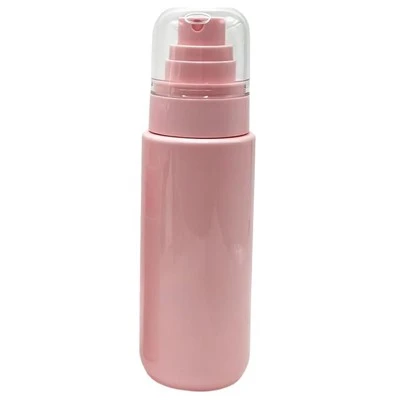
First off, let's talk about what makes airless lotion bottles so special. These bottles are designed with a unique mechanism that prevents air from entering the container. This is a game - changer for a few reasons.
One of the main benefits is product preservation. Lotions and creams are often filled with active ingredients that can be sensitive to air, light, and bacteria. When air gets into a regular bottle, it can cause these ingredients to break down over time, reducing the effectiveness of the product. With airless lotion bottles, the product is protected from air exposure, which means it stays fresh for longer. This is a huge plus for consumers who want to get the most out of their high - end skincare products.
Another advantage is hygiene. Since there's no air entering the bottle, there's less chance of bacteria growing inside. Traditional pump bottles can sometimes draw in outside air along with the product, creating a breeding ground for germs. Airless bottles eliminate this risk, ensuring that the lotion remains clean and safe to use.
Convenience is also a key factor. The design of airless lotion bottles makes it easy to dispense the right amount of product. You don't have to worry about squeezing too hard or dealing with spills. Just press the cap, and the lotion comes out smoothly. This is especially useful for people with arthritis or other hand mobility issues.
Consumer Demand and Market Trends
Over the past few years, we've seen a significant increase in the demand for airless lotion bottles. Consumers are becoming more educated about skincare and the importance of product quality. They're willing to invest in products that are well - preserved and hygienic, and airless bottles fit the bill perfectly.
In the beauty and skincare industry, premium brands are increasingly opting for airless packaging to enhance the perceived value of their products. Luxury creams and serums are often packaged in airless bottles to convey a sense of exclusivity and quality. This, in turn, has influenced consumer preferences. When people see a product in an airless bottle, they tend to associate it with higher quality and are more likely to make a purchase.
Social media also plays a role in driving the popularity of airless lotion bottles. Influencers and beauty bloggers often showcase products in airless packaging, highlighting their benefits. This kind of exposure creates a buzz and encourages consumers to try out products in these bottles.


Comparing with Other Packaging Options
Let's take a quick look at how airless lotion bottles stack up against other common packaging options in the market.
Plastic Lip Gloss Tubes: Plastic lip gloss tubes are great for small, portable products. They're easy to carry around in your purse or pocket. However, they're not suitable for larger lotion or cream products. Plastic Lip Gloss Tubes are mainly designed for liquid - based lip products, and they don't offer the same level of product protection as airless bottles.
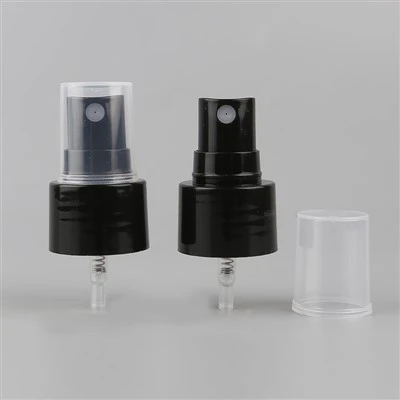
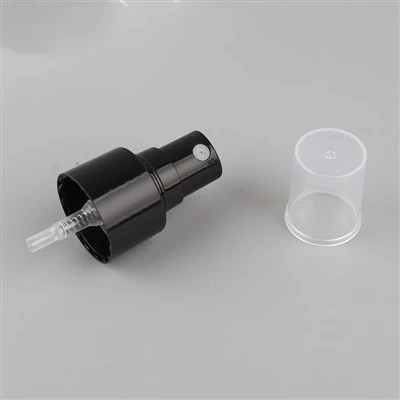
Empty Body Spray Bottles: These are ideal for body sprays and mists. They work well for products that need to be dispersed in a fine mist. But when it comes to lotions and creams, body spray bottles aren't the best choice. They don't provide a controlled way to dispense thick products, and they're more prone to air exposure. Check out Empty Body Spray Bottles for your spray - based product needs.
Plastic Lotion Tubes: Plastic lotion tubes are a popular option for many skincare brands. They're relatively inexpensive and easy to manufacture. However, they can be difficult to squeeze out every last drop of product, and they don't offer the same level of airtightness as airless bottles. You can find a variety of Plastic Lotion Tubes on the market.
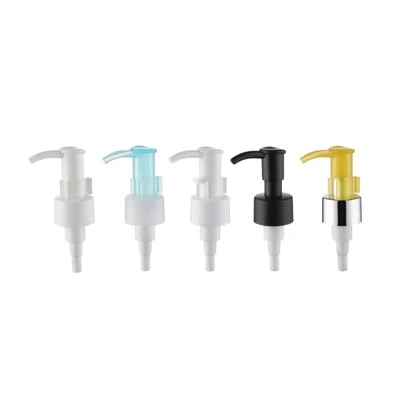
Body Lotion Pump Bottles: Traditional body lotion pump bottles are a common sight in many bathrooms. While they're convenient for dispensing lotion, they have the drawback of allowing air to enter the bottle. This can lead to product degradation over time. In contrast, Airless Lotion Bottles offer a more airtight solution.
Challenges and Considerations
Of course, airless lotion bottles aren't without their challenges. One of the main concerns is cost. These bottles are generally more expensive to produce than traditional packaging options. This can translate into higher prices for consumers, which might deter some budget - conscious shoppers.
Another issue is recyclability. While some airless bottles are recyclable, the complex design of the container can make it more difficult to recycle compared to simple plastic tubes or bottles. As consumers become more environmentally conscious, this is something that needs to be addressed.
The Future of Airless Lotion Bottles
Despite the challenges, I'm optimistic about the future of airless lotion bottles. As technology improves, we're likely to see more cost - effective manufacturing methods, which will bring down the price of these bottles. Additionally, there's a growing focus on sustainable packaging in the beauty industry. I expect to see more airless bottles made from recyclable or biodegradable materials in the coming years.
Contact for Procurement
If you're a beauty brand looking for high - quality airless lotion bottles for your products, I'd love to have a chat with you. We offer a wide range of options in terms of size, design, and functionality. Whether you're launching a new line of luxury skincare products or looking to upgrade your current packaging, we can help you find the perfect solution. So, don't hesitate to reach out and start a conversation about how we can work together.
References
- Smith, J. (2022). The Impact of Packaging on Skincare Product Quality. Journal of Cosmetic Science, 35(2), 123 - 135.
- Brown, A. (2023). Consumer Preferences in Cosmetic Packaging. Beauty Trends Magazine, 15(4), 78 - 85.
- Green, L. (2021). Sustainable Packaging Solutions in the Beauty Industry. Environmental Packaging Review, 20(3), 45 - 52.