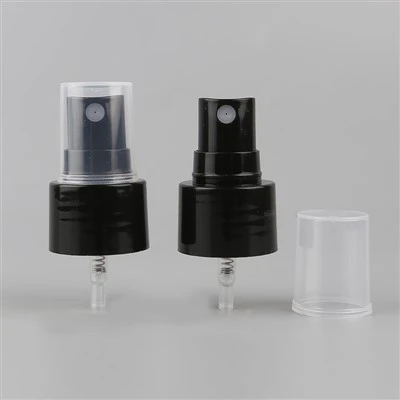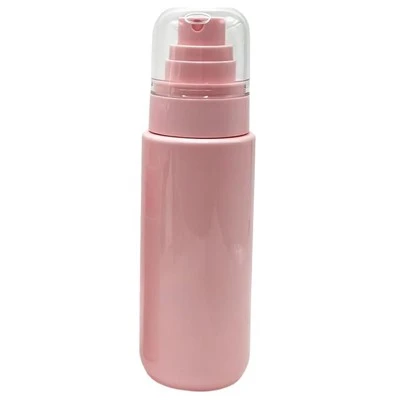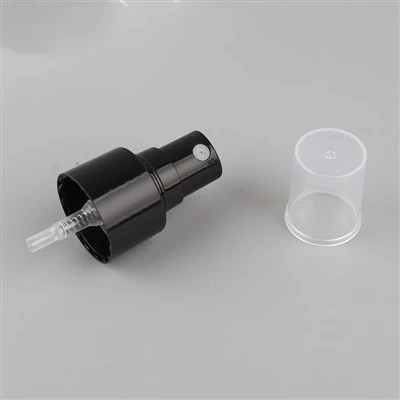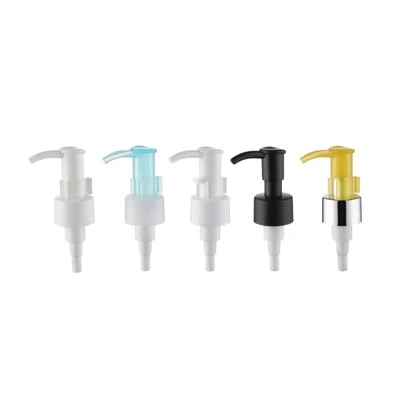

When it comes to the beauty and cosmetic industry, the quality of packing components like lotion pumps is as crucial as the product itself. As a Cosmetic Lotion Pump supplier, I understand the importance of ensuring that these pumps are thoroughly tested before they are used in packaging. This testing is not just a formality but a necessary step to guarantee the safety, functionality, and overall user experience of the cosmetic products. In this blog, I will guide you through the process of testing a new cosmetic lotion pump before use.
Visual Inspection
The first step in testing a new cosmetic lotion pump is a visual inspection. This is a simple yet effective way to identify any obvious defects or issues. Start by examining the pump body for any cracks, scratches, or deformities. These can not only affect the pump's appearance but also its functionality. A cracked pump may leak, while a scratched one could potentially contaminate the lotion.
Next, check the nozzle. Ensure that it is clean and free from any blockages. A clogged nozzle can prevent the lotion from dispensing properly or cause uneven sprays. Inspect the piston and the spring as well. They should be in good condition, without any signs of rust or corrosion. Rust can not only degrade the pump's performance but also pose a risk to the product's safety.
Pumping Functionality
Once the visual inspection is complete, it's time to test the pumping functionality. Attach the pump to a suitable container filled with a test liquid. This liquid should have a similar viscosity to the actual cosmetic lotion. A common choice is water, but if the lotion is thicker, you may need to use a thicker liquid like glycerin.
Start pumping the lotion pump. Observe the force required to dispense the liquid. It should be smooth and consistent. If the pumping action is too hard or too soft, it could indicate a problem with the pump's internal mechanism. A pump that is too hard to operate may discourage users from using the product, while a pump that is too soft may not dispense the right amount of lotion.
Pay attention to the amount of liquid dispensed with each pump. It should be consistent and appropriate for the intended use of the lotion. For example, a facial lotion may require a smaller, more precise amount per pump, while a body lotion may need a larger amount. If the amount dispensed varies significantly, it could be a sign of a malfunctioning pump.
Leakage Test
Leakage is a major concern when it comes to cosmetic lotion pumps. A leaking pump can not only waste the product but also create a mess and potentially damage the packaging. To test for leakage, attach the pump to the container and fill it with the test liquid. Make sure the container is sealed properly.
Turn the container upside down and let it sit for a few minutes. Check for any signs of leakage around the pump base and the nozzle. If there is any leakage, it could be due to a poor seal or a damaged component. You may need to adjust the pump or replace the faulty parts.
Another way to test for leakage is to subject the pump to pressure. You can do this by gently squeezing the container while it is upright. If the pump leaks under pressure, it may not be suitable for use.
Compatibility with the Product
It's important to ensure that the lotion pump is compatible with the cosmetic product. Different lotions have different chemical compositions, and some may react with certain materials used in the pump. For example, lotions with high alcohol content may corrode plastic pumps, while acidic lotions may damage metal components.
Before using the pump with the actual product, conduct a compatibility test. Place a small amount of the lotion in the pump and let it sit for 24 to 48 hours. Check for any signs of discoloration, swelling, or deterioration of the pump. If there are any negative reactions, you may need to choose a different pump material or design.
Spray Pattern (for Spray Pumps)
If the cosmetic lotion pump is a spray pump, such as the Screw-on Spray Pump or Cosmetic Spray Pump, it's important to test the spray pattern. Attach the spray pump to the container filled with the test liquid and start spraying.
Observe the shape and coverage of the spray. It should be even and consistent, without any gaps or clumps. A good spray pattern ensures that the lotion is distributed evenly on the skin, providing better coverage and a more pleasant user experience. If the spray pattern is uneven, it may be due to a clogged nozzle or a problem with the pump's internal design.
Long-Term Testing
In addition to the initial tests, it's also a good idea to conduct long-term testing. This involves using the pump with the actual cosmetic product over a period of time. Monitor the pump's performance, including the pumping functionality, leakage, and spray pattern (if applicable).
Keep track of any changes or issues that occur during the long-term testing. This can help you identify any potential problems that may not be apparent during the initial tests. For example, a pump may start to leak or lose its pumping efficiency after several weeks of use.
Conclusion
Testing a new cosmetic lotion pump before use is a crucial step to ensure the quality and safety of the cosmetic product. By following the steps outlined in this blog, you can identify and address any potential issues before the product reaches the market. As a Cosmetic Lotion Pump supplier, I am committed to providing high-quality pumps that meet the needs of my customers.
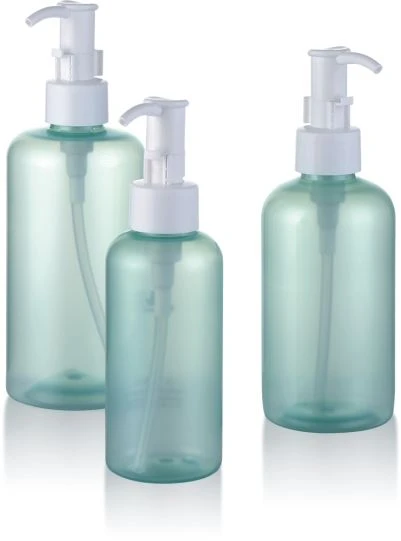

If you are in the market for cosmetic lotion pumps or other cosmetic packaging solutions, such as Make Up Remover Bottle, Flocked Bottle, or Makeup Remover Pump Dispenser, I encourage you to contact me for more information. I would be happy to discuss your specific requirements and help you find the right packaging solutions for your products.
References
- Cosmetic Packaging Handbook
- Industry standards for cosmetic packaging components