
As a supplier specializing in plastic lotion tubes, I've often been asked whether these tubes can find a place in the pharmaceutical industry. This question is not only relevant but also crucial as the pharmaceutical sector has stringent requirements for packaging. In this blog, I'll explore the feasibility of using plastic lotion tubes in the pharmaceutical industry, considering various aspects such as material properties, regulatory compliance, and practical applications.
Material Properties of Plastic Lotion Tubes
Plastic lotion tubes are typically made from materials like polyethylene (PE), polypropylene (PP), or a combination of these polymers. These materials offer several advantages that could potentially make them suitable for pharmaceutical use.
Chemical Resistance
One of the most critical factors in pharmaceutical packaging is chemical resistance. Drugs and medications often contain active ingredients that can react with the packaging material if it is not compatible. Plastic materials used in lotion tubes, especially high - density polyethylene (HDPE) and polypropylene, have excellent chemical resistance to a wide range of substances. They can withstand contact with many common pharmaceutical ingredients, including mild acids, bases, and organic solvents. This property ensures that the integrity of the drug is maintained over its shelf - life and that there is no leaching of harmful substances from the tube into the medication.
Barrier Properties
Another important aspect is the ability of the packaging to provide a barrier against oxygen, moisture, and light. Oxygen can cause oxidation of drugs, leading to a loss of potency and the formation of potentially harmful by - products. Moisture can also affect the stability of certain medications, causing them to degrade or clump. Plastic lotion tubes can be engineered with multiple layers to enhance their barrier properties. For example, a tube with an inner layer of EVOH (ethylene - vinyl alcohol copolymer) can significantly reduce the ingress of oxygen and moisture. Additionally, opaque or tinted plastic can protect light - sensitive drugs from degradation.
Flexibility and Ease of Use
Plastic lotion tubes are flexible, which allows for easy dispensing of the product. In the pharmaceutical industry, this can be an advantage, especially for topical medications such as creams, ointments, and gels. Patients can easily squeeze the tube to dispense the right amount of medication, and the tube's shape can be designed to fit comfortably in the hand. This user - friendly design can improve patient compliance, which is essential for the effective treatment of diseases.
Regulatory Compliance
The pharmaceutical industry is highly regulated, and any packaging material used must meet strict regulatory standards. In the United States, the Food and Drug Administration (FDA) has established guidelines for pharmaceutical packaging materials. These guidelines cover aspects such as safety, compatibility with the drug, and the ability of the packaging to maintain the quality of the product throughout its shelf - life.
Safety Testing
Before plastic lotion tubes can be used in the pharmaceutical industry, they must undergo extensive safety testing. This includes testing for the presence of any harmful substances such as heavy metals, phthalates, and bisphenol A (BPA). The tubes must also be tested for their ability to withstand sterilization processes if required. For example, some medications may need to be packaged in sterile conditions, and the tube material must be able to maintain its integrity during sterilization methods such as autoclaving or gamma irradiation.
Labeling and Documentation
In addition to safety testing, proper labeling and documentation are required. The packaging must clearly indicate the name of the drug, its active ingredients, dosage instructions, and expiration date. The manufacturer of the plastic lotion tubes must also provide detailed documentation about the material composition, manufacturing process, and quality control measures. This documentation is essential for regulatory compliance and to ensure that the pharmaceutical company can demonstrate the safety and effectiveness of its products.


Practical Applications in the Pharmaceutical Industry
Despite the challenges, there are several practical applications where plastic lotion tubes can be used in the pharmaceutical industry.
Topical Medications
As mentioned earlier, plastic lotion tubes are well - suited for topical medications such as creams, ointments, and gels. These medications are typically applied directly to the skin, and the flexible tube design allows for precise dispensing. For example, dermatological medications used to treat skin conditions like eczema, psoriasis, and acne can be packaged in plastic lotion tubes. The tubes can be easily labeled with instructions for use, and the patient can conveniently carry them around for on - the - go treatment.
Oral Supplements in Paste or Gel Form
Some oral supplements, such as certain vitamins and minerals in paste or gel form, can also be packaged in plastic lotion tubes. This can be a convenient alternative to traditional pill or capsule forms, especially for patients who have difficulty swallowing. The tube can be provided with a dosing device to ensure accurate administration of the supplement.
Comparison with Other Packaging Options
While plastic lotion tubes offer many advantages, it's important to compare them with other packaging options commonly used in the pharmaceutical industry.
Glass Containers
Glass containers are often considered the gold standard for pharmaceutical packaging due to their excellent chemical resistance and inertness. However, glass is brittle and heavy, which can increase shipping costs and the risk of breakage. Plastic lotion tubes, on the other hand, are lightweight and more durable, reducing the risk of damage during transportation.
Plastic Bottles
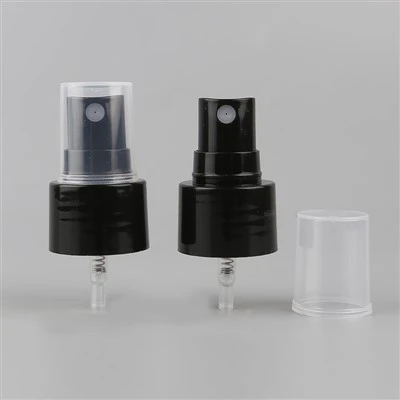
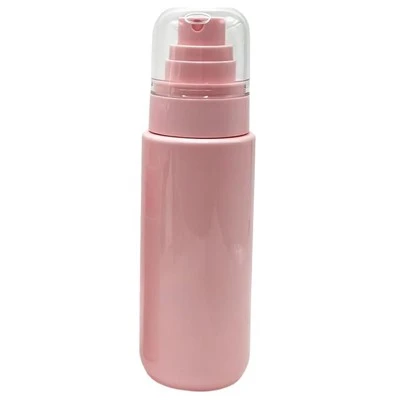
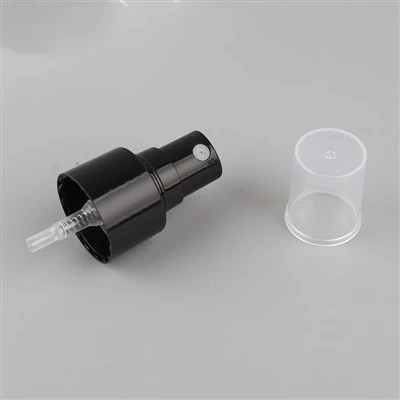
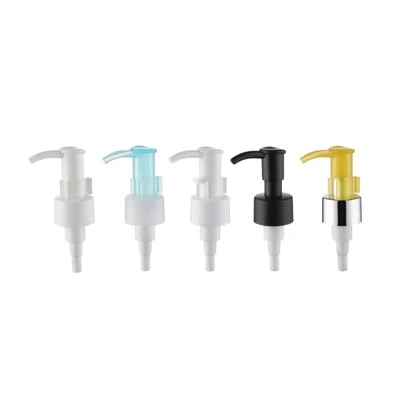
Plastic bottles are also widely used in the pharmaceutical industry. Some popular options in the plastic container market include Body Wash Pump Dispenser, Refillable Disinfectant Spray, Shampoo Reusable Bottle, Body Lotion Pump Bottles, and Serum Airless Bottles. While bottles have their own advantages, such as the ability to hold larger volumes, tubes are better suited for products that require precise dispensing in smaller amounts. Tubes can also be more easily squeezed to dispense the entire product, reducing waste.
Conclusion
In conclusion, plastic lotion tubes have the potential to be used in the pharmaceutical industry. Their material properties, including chemical resistance, barrier properties, and flexibility, make them a viable option for certain types of medications. However, they must meet strict regulatory requirements, and proper safety testing and documentation are essential. With the right design and manufacturing processes, plastic lotion tubes can offer a cost - effective and user - friendly packaging solution for the pharmaceutical industry.
If you are in the pharmaceutical industry and are interested in exploring the use of plastic lotion tubes for your products, I encourages you to reach out. We can provide samples for testing, discuss custom design options, and ensure that our tubes meet your specific requirements. Let's start a conversation about how our plastic lotion tubes can enhance your pharmaceutical packaging.
References
- "Guidance for Industry: Container Closure Systems for Packaging Human Drugs and Biologics" - U.S. Food and Drug Administration
- "Plastic Packaging Materials for Food and Pharmaceuticals" - Wiley - VCH Verlag GmbH & Co. KGaA
- "Handbook of Pharmaceutical Excipients" - Pharmaceutical Press