
Hey there! As a supplier of agrochemical plastic drums, I often get asked a bunch of interesting questions. One that pops up quite a bit is whether these drums expand or contract with temperature changes. Well, let's dig into this topic and find out what's really going on.
First off, it's important to understand the basic properties of the plastic used in agrochemical drums. Most of these drums are made from high - density polyethylene (HDPE) or polypropylene (PP). These plastics are great for storing agrochemicals because they're resistant to chemicals, have good strength, and are relatively cost - effective.
Now, when it comes to temperature and plastic, plastics are what we call "thermoplastic" materials. This means that they can change their shape and size with temperature variations. Just like metal expands when it gets hot and contracts when it cools, plastics do something similar, but in their own way.
When the temperature rises, the molecules in the plastic start to move around more vigorously. They gain energy and start to push against each other, causing the plastic to expand. This expansion can be measured in different ways, but one common way is through something called the coefficient of thermal expansion.
For HDPE, the coefficient of thermal expansion is around 110 - 220 x 10⁻⁶ /°C. What does this mean? Well, it means that for every degree Celsius increase in temperature, for every unit length of the plastic, it will expand by 110 - 220 millionths of that length. For example, if you have a 1 - meter long HDPE drum and the temperature rises by 10°C, the drum could expand by about 0.0011 - 0.0022 meters.
On the flip side, when the temperature drops, the molecules lose energy and move closer together. This makes the plastic contract. So, if you've got your agrochemical drums stored outside on a really cold winter night, they're going to shrink a bit.


Why does this matter? Well, there are a few reasons. First, if you're shipping agrochemicals in these drums and they're going through different temperature zones, the expansion and contraction can affect the integrity of the seal. If the drum expands too much, the seal might break, which could lead to leaks. And we definitely don't want any agrochemicals leaking out, as it can be dangerous for the environment and people.
Second, when it comes to storage, you need to take temperature into account. If you stack a bunch of drums in a hot warehouse, the expansion could cause the drums to push against each other. This might lead to deformation or even damage to the drums.
Let's also talk about how this expansion and contraction can impact the volume of the drum. If you're filling the drums with a specific amount of agrochemical at a certain temperature, and then the temperature changes, the volume of the liquid inside the drum might also change. But the liquid's expansion or contraction rate is usually different from that of the plastic drum.
For example, water has a coefficient of thermal expansion of about 207 x 10⁻⁶ /°C at room temperature. If you fill a drum with water - based agrochemicals and the temperature rises, the water will expand more than the HDPE drum. This could increase the pressure inside the drum, which again might lead to sealing issues or even a burst drum if the pressure gets too high.
As a supplier, I've seen the importance of providing proper guidance to our customers. We always recommend storing agrochemical drums in a temperature - controlled environment as much as possible. If that's not an option, they should at least be aware of the potential risks associated with temperature changes.
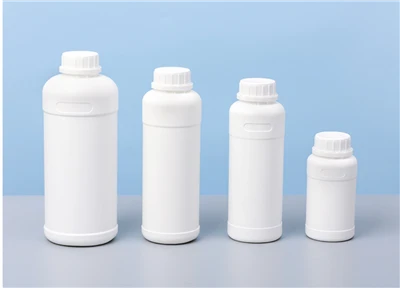
Now, we're not just about agrochemical plastic drums. We also offer a range of other packaging solutions. Check out our Agrochemical Plastic Bottles for smaller quantities of agrochemicals. These are great for samples or for farmers who need a bit less of the product.
If you're in the business of fertilizers, our Fertilizer Packaging Drums are designed to withstand the rigors of storing and transporting different types of fertilizers.
We also have Chemical Sample Bottle that are perfect for laboratories or companies that need to transport small chemical samples safely.
For those dealing with chemical solvents, our Chemical Solvent Bottles are made from materials that are resistant to a wide range of solvents.
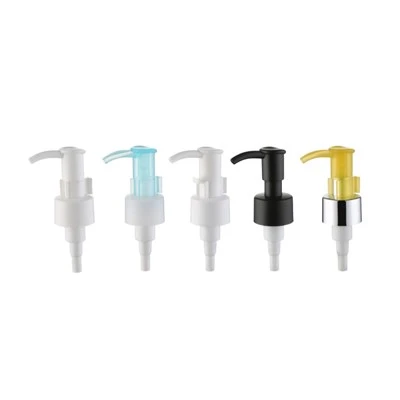
And if you're looking for a bottle for dispensing agrochemicals, our Agrochemical Dispensing Bottle is a top - notch option.
If you're interested in any of our products, don't hesitate to reach out. We're here to help you find the right packaging solutions for your agrochemical needs. Whether you're a big agricultural company or a small - scale farmer, we've got the products and expertise to assist you.
We understand that every customer's requirements are unique, and we're committed to providing high - quality products at competitive prices. So, if you want to discuss your specific needs, just drop us a line. We'll be more than happy to have a chat and see how we can work together.
In conclusion, agrochemical plastic drums do expand and contract with temperature changes, and it's crucial to be aware of these effects for safe storage and transportation. But with the right knowledge and our quality products, you can manage these challenges effectively.
References
- "Polymer Chemistry: An Introduction" by Malcolm P. Stevens.
- Technical data sheets from major plastic resin manufacturers regarding HDPE and PP.