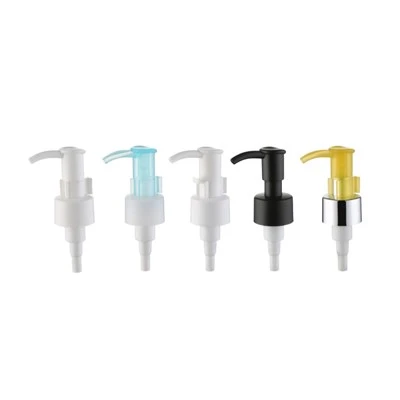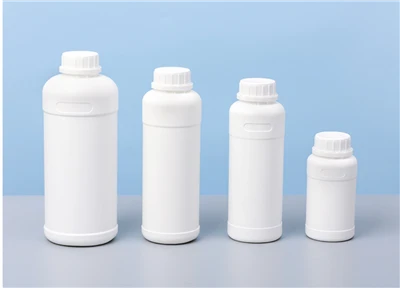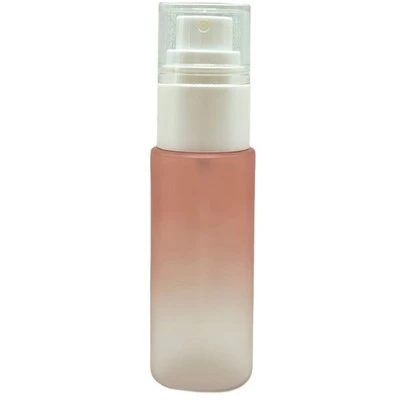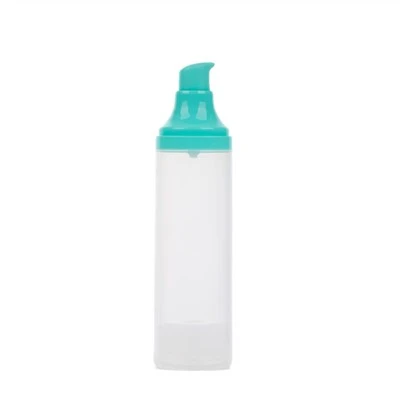

Hey there! As a supplier of Chemical Sample Bottle, I often get asked about the seemingly simple yet super important part of these bottles - the cap. You might think, "It's just a cap, what's the big deal?" Well, let me tell you, that little cap plays a huge role in keeping your chemical samples safe and sound.
1. Protecting the Sample from Contamination
One of the primary functions of the cap on a chemical sample bottle is to protect the sample from external contaminants. Chemicals are sensitive substances, and even a tiny bit of dust, dirt, or moisture can mess with their properties. The cap acts as a barrier, sealing the bottle tightly and preventing any unwanted particles from getting in.
Imagine you're working with a high - purity chemical sample for a scientific experiment. If the cap isn't doing its job, and a speck of dust falls into the bottle, it could skew your results. That's a huge headache! So, a good cap is like a bodyguard for your chemical sample, keeping it pure and uncontaminated.
2. Preventing Evaporation
Chemicals can evaporate over time, especially those with low boiling points. Evaporation not only changes the concentration of the sample but can also be dangerous if the chemical vapors are toxic or flammable. The cap on a chemical sample bottle helps to minimize evaporation by creating an airtight seal.
For example, if you're storing a volatile organic solvent in a Chemical Solvent Bottles, a proper cap will slow down the rate at which the solvent evaporates. This is crucial for maintaining the integrity of the sample and also for safety reasons. You don't want a room full of flammable vapors because the cap on the solvent bottle wasn't up to the task.
3. Ensuring Safety
Safety is a top priority when dealing with chemicals. The cap on a chemical sample bottle is designed to prevent spills and leaks, which can be extremely hazardous. Some chemicals are corrosive, and if they spill on your skin or equipment, it can cause serious damage. Others may react violently with air or water, so keeping them properly sealed is essential.
Many chemical sample bottle caps are designed with special features to enhance safety. For instance, some have child - resistant closures to prevent accidental access by children. Others are made from materials that are resistant to the chemicals they will be in contact with, so they don't degrade over time and compromise the seal.
4. Maintaining Pressure
In some cases, chemical reactions inside the bottle can generate pressure. A good cap needs to be able to withstand this pressure and keep the bottle intact. If the cap fails to hold the pressure, the bottle could burst, which is not only dangerous but also a waste of the valuable chemical sample.
For example, in the case of some reactive chemicals or those that undergo decomposition reactions, the pressure inside the bottle can build up rapidly. The cap needs to be designed to release the pressure slowly and safely, or to hold it without breaking.
5. Compatibility
The cap also needs to be compatible with the chemical it's sealing. Different chemicals have different properties, and they can react with certain materials. For example, a strong acid might corrode a metal cap, while a polar solvent might dissolve a cap made from the wrong type of plastic.


As a Chemical Sample Bottle supplier, we make sure that the caps we provide are made from materials that are compatible with a wide range of chemicals. This ensures that the cap doesn't react with the sample, and it maintains its sealing properties over time.
Different Types of Caps and Their Functions
There are several types of caps used on chemical sample bottles, each with its own unique function.
- Screw Caps: These are one of the most common types of caps. They are easy to use and provide a tight seal when screwed on properly. Screw caps are great for general - purpose chemical storage, as they can be opened and closed multiple times without losing their sealing ability.
- Snap - On Caps: Snap - on caps are quick and easy to use. They are often used for bottles that need to be opened and closed frequently, such as in a laboratory setting. They provide a good seal, but they may not be as airtight as screw caps in some cases.
- Crimp Caps: Crimp caps are used for applications where a very tight and secure seal is required. They are often used in the pharmaceutical and food industries, but they can also be used for certain types of chemical samples. Crimp caps are sealed using a special tool, and once they are on, they are difficult to remove without the proper equipment.
- Dropper Caps: These caps are designed with a dropper built - in, which allows for easy and precise dispensing of the chemical sample. They are commonly used for small - volume samples, such as in the cosmetic and pharmaceutical industries.
Our Product Range
As a supplier, we offer a wide range of Chemical Sample Bottle with different types of caps to meet your specific needs. Whether you need a bottle for storing a small sample of a highly reactive chemical or a large quantity of a common solvent, we've got you covered.
We also supply other types of chemical packaging, such as Chemical Raw Material Drums, Agrochemical Dispensing Bottle, and Agrochemical Plastic Drums. Our products are made from high - quality materials and are designed to meet the highest safety and quality standards.
Why Choose Us
- Quality Assurance: We take quality seriously. All our products, including the caps on our chemical sample bottles, are thoroughly tested to ensure they meet the required standards.
- Customization: We understand that different customers have different needs. That's why we offer customization options for our chemical packaging products. You can choose the type of bottle, the cap, and even the labeling according to your requirements.
- Expertise: With years of experience in the chemical packaging industry, we have the knowledge and expertise to provide you with the best solutions for storing and transporting your chemicals.
Let's Connect
If you're in the market for high - quality chemical packaging, including Chemical Sample Bottle with reliable caps, then we'd love to hear from you. We're ready to discuss your specific needs and provide you with a customized solution. Whether you're a small laboratory or a large chemical manufacturing company, we can work with you to ensure your chemical samples are stored and transported safely. So, don't hesitate to reach out and start a conversation about your procurement needs.
References
- "Handbook of Chemical Product Design and Development", John Wiley & Sons
- "Principles of Chemical Packaging", American Chemical Society