
Limitations of Using Glass Empty Body Spray Bottles
As a supplier of Empty Body Spray Bottles, I've had extensive experience with various types of packaging solutions in the cosmetic and personal care industry. Glass bottles are often favored for their aesthetic appeal, durability, and ability to preserve product quality. However, like any packaging material, they come with their own set of limitations that both consumers and businesses should be aware of.
1. Fragility
One of the most significant drawbacks of using glass empty body spray bottles is their fragility. Glass is a brittle material that can easily break when dropped or subjected to impact. This poses a risk during transportation, storage, and everyday use. For consumers, a broken bottle not only means losing the product inside but also the potential for injury from sharp glass shards.
In the supply chain, fragile glass bottles require extra care in handling and packaging. Specialized packaging materials, such as padded boxes or foam inserts, are often necessary to prevent breakage during transit. These additional packaging materials increase the cost of shipping and packaging, which can ultimately be passed on to the consumer.
2. Weight
Glass is a relatively heavy material compared to plastic or other lightweight alternatives. The weight of glass empty body spray bottles can be a significant drawback, especially for products that need to be transported over long distances or carried around by consumers on a daily basis.


For shipping, the weight of glass bottles increases the cost of transportation. Shipping companies typically charge based on weight, so heavier products will incur higher shipping fees. This can be a significant concern for businesses looking to keep their costs down and offer competitive pricing to consumers.
For consumers, the weight of glass bottles can be inconvenient, especially when traveling. Carrying heavy glass bottles in a purse or backpack can add unnecessary weight and bulk, making it less practical for on-the-go use. In contrast, Portable Travel Bottles made from lightweight materials like plastic or aluminum are more convenient for travelers.
3. Cost
Glass is generally more expensive to produce than plastic or other packaging materials. The manufacturing process for glass bottles involves high temperatures and specialized equipment, which increases the cost of production. Additionally, the raw materials used to make glass, such as sand, soda ash, and limestone, can be costly.
The higher cost of glass empty body spray bottles can be a deterrent for both businesses and consumers. For businesses, the increased cost of packaging can eat into profit margins, especially for products with low profit margins. For consumers, the higher cost of glass bottles may make the product less affordable, especially when compared to similar products packaged in plastic.
4. Compatibility with Certain Products
Not all products are compatible with glass packaging. Some chemicals and ingredients can react with glass, causing the glass to corrode or the product to degrade. For example, acidic or alkaline products can react with glass over time, leading to the formation of a cloudy or hazy appearance on the inside of the bottle.
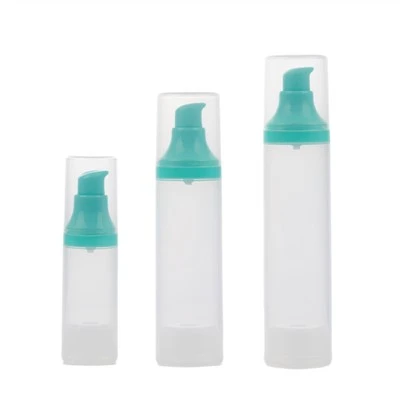
In addition, some products may require a specific type of packaging to maintain their stability and efficacy. For example, products that are sensitive to light or air may require packaging with UV protection or airtight seals. Glass bottles may not provide the same level of protection as other types of packaging, such as Serum Airless Bottles, which are designed to prevent air and light from entering the bottle.
5. Design Limitations
While glass bottles offer a classic and elegant look, they also have some design limitations. Glass is a relatively rigid material, which makes it more difficult to create complex shapes and designs compared to plastic or other flexible materials. This can limit the creativity and innovation of product packaging, especially for brands looking to differentiate themselves in a crowded market.
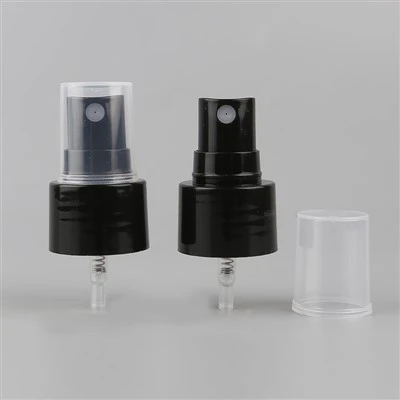
In addition, glass bottles may not be suitable for all types of dispensing systems. For example, some products may require a pump or spray dispenser that is specifically designed for use with plastic bottles. Glass bottles may not be compatible with these types of dispensers, which can limit the functionality and usability of the product.
6. Environmental Impact
Although glass is a recyclable material, the recycling process for glass can be energy-intensive and costly. Recycling glass requires high temperatures to melt the glass and reform it into new products. This process consumes a significant amount of energy and can contribute to greenhouse gas emissions.
In addition, the collection and transportation of glass for recycling can also have an environmental impact. Glass is heavy and bulky, which means that it requires more energy to transport compared to other materials. If glass is not recycled properly, it can end up in landfills, where it can take hundreds of years to decompose.
Alternatives to Glass Empty Body Spray Bottles
While glass empty body spray bottles have their limitations, there are several alternatives available that offer different benefits and features. These alternatives include:
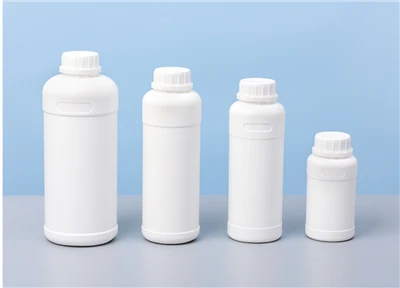
- Plastic Bottles: Plastic bottles are lightweight, durable, and inexpensive to produce. They are available in a wide range of shapes, sizes, and colors, making them a popular choice for product packaging. Plastic bottles are also compatible with a variety of dispensing systems, such as pumps and sprays. However, plastic is not as environmentally friendly as glass, as it is made from non-renewable resources and can take hundreds of years to decompose.
- Aluminum Bottles: Aluminum bottles are lightweight, recyclable, and offer excellent barrier properties. They are resistant to corrosion and can protect products from light and air. Aluminum bottles are also easy to shape and can be customized with a variety of finishes and printing options. However, aluminum bottles can be more expensive than plastic bottles, and they may not be suitable for all types of products.
- Vacuum Containers: Vacuum Cosmetic Travel Container are designed to remove air from the container, which helps to preserve the freshness and efficacy of the product. They are ideal for products that are sensitive to air and light, such as serums and creams. Vacuum containers are available in a variety of sizes and shapes, and they can be made from a variety of materials, including glass, plastic, and aluminum.
- Cream Jars: Cream Jars Cosmetic Packaging are a popular choice for packaging creams, lotions, and other thick products. They are available in a variety of sizes and shapes, and they can be made from a variety of materials, including glass, plastic, and metal. Cream jars offer a classic and elegant look, and they are easy to use and dispense.
- Refillable Disinfectant Spray: Refillable Disinfectant Spray are designed to be reusable, which helps to reduce waste and environmental impact. They are available in a variety of sizes and shapes, and they can be filled with a variety of disinfectant solutions. Refillable disinfectant sprays are a convenient and eco-friendly alternative to single-use spray bottles.
Conclusion
While glass empty body spray bottles offer a classic and elegant look, they also have several limitations that should be considered. These limitations include fragility, weight, cost, compatibility with certain products, design limitations, and environmental impact. As a supplier of Empty Body Spray Bottles, I understand the importance of choosing the right packaging solution for your product. There are several alternatives available that offer different benefits and features, and I can help you choose the packaging solution that is best suited for your needs.
If you are interested in learning more about our Empty Body Spray Bottles or other packaging solutions, please feel free to contact us. We would be happy to discuss your requirements and provide you with a quote. Let's work together to find the perfect packaging solution for your product.
References
- Packaging Machinery Manufacturers Institute. (n.d.). Glass Packaging. Retrieved from [Website URL]
- American Chemistry Council. (n.d.). Plastic Packaging: Benefits and Sustainability. Retrieved from [Website URL]
- Aluminum Association. (n.d.). The Benefits of Aluminum Packaging. Retrieved from [Website URL]