
When it comes to packaging your product, selecting the right airless pump is crucial. As an airless pump supplier, I understand the challenges that brands face in making this decision. In this blog post, I'll guide you through the process of choosing the perfect airless pump for your product, considering various factors such as product compatibility, design, functionality, and cost.
Understanding the Basics of Airless Pumps
First, let's understand what an airless pump is. An Airless Pump is a type of dispenser that uses a piston or a diaphragm to push the product up through a nozzle without the need for air. This design helps to keep the product fresh by preventing air and contaminants from entering the container, thereby extending the product's shelf life. Airless pumps are commonly used for products such as creams, lotions, serums, and gels in the cosmetic and pharmaceutical industries.


Product Compatibility
The first step in choosing an airless pump is to ensure that it is compatible with your product. Different products have different viscosities, chemical compositions, and particle sizes, which can affect the performance of the airless pump.
- Viscosity: Viscosity refers to the thickness or thinness of your product. Highly viscous products, such as thick creams and pomades, require airless pumps with a higher pumping force. Conversely, low-viscosity products, like lighter lotions and serums, can work well with pumps that have a lower pumping force. Make sure to choose a pump that can handle the specific viscosity of your product.
- Chemical Composition: Some products may contain chemicals that can react with certain materials used in airless pumps. For example, products with high alcohol content may corrode plastic components. It's essential to select a pump made from materials that are resistant to the chemicals in your product. Common materials for airless pumps include polypropylene (PP), polyethylene (PE), and stainless steel.
- Particle Size: If your product contains particles, such as exfoliants or beads, you need to choose an airless pump with an appropriate orifice size. A pump with a too-small orifice may clog, while a pump with a too-large orifice may not dispense the product evenly.
Design and Aesthetics
The design of the airless pump can significantly impact the overall look and feel of your product. Here are some design considerations:
- Size and Shape: The size and shape of the airless pump should be compatible with the container of your product. It should fit snugly on the bottle or jar and enhance the overall aesthetics. Additionally, consider the size in relation to the product's intended use. For travel-sized products, a smaller and more compact airless pump may be preferred.
- Color and Finish: The color and finish of the airless pump can complement your brand's identity. You can choose from a variety of colors, including standard and custom options, to match your product's packaging and branding. A high-quality finish can also give your product a more luxurious look.
- Nozzle Design: The nozzle design affects the way the product is dispensed. There are different types of nozzles, such as straight nozzles, angled nozzles, and foaming nozzles. Each type has its own advantages, depending on the product and its intended use. For example, a foaming nozzle is ideal for products that need to be dispensed as a foam, such as facial cleansers.
Functionality
Functionality is another critical factor in choosing an airless pump. Here are some aspects to consider:
- Pumping Force: As mentioned earlier, the pumping force should match the viscosity of your product. A pump with a too-weak pumping force may not dispense the product properly, while a pump with a too-strong pumping force may dispense too much product at once.
- Dispensing Volume: The dispensing volume refers to the amount of product that is dispensed with each pump. You need to choose a pump with a dispensing volume that is appropriate for your product's usage. For example, for a high-cost serum, a smaller dispensing volume may be preferred to avoid waste.
- Ease of Use: The airless pump should be easy to use for your customers. It should have a smooth and comfortable pumping action, and the nozzle should be easy to clean. Consider factors such as the grip of the pump and the force required to operate it.
Cost
Cost is always a consideration when choosing an airless pump. While you don't want to compromise on quality, you also need to find a pump that fits within your budget. Here are some cost-related factors:
- Material Costs: The cost of the materials used in the airless pump can vary significantly. For example, pumps made from stainless steel are generally more expensive than those made from plastic. Consider the cost and suitability of different materials for your product.
- Customization Costs: If you require custom colors, finishes, or nozzle designs, there may be additional costs involved. Discuss these options with your airless pump supplier to understand the cost implications.
- Volume Discounts: Many airless pump suppliers offer volume discounts. If you plan to order a large quantity of pumps, it's worth discussing the pricing with your supplier to get the best deal.
Other Considerations
In addition to the factors mentioned above, there are some other considerations when choosing an airless pump:
- Sustainability: With the growing awareness of environmental issues, many brands are looking for sustainable packaging solutions. Consider choosing an airless pump made from recyclable or biodegradable materials. Some suppliers also offer refillable airless pump systems, which can reduce waste.
- Regulatory Compliance: Make sure that the airless pump you choose complies with all relevant regulations and standards. This is especially important for products in the cosmetic and pharmaceutical industries.
Related Products
If you're interested in exploring other types of pumps and dispensers for your products, here are some related options:
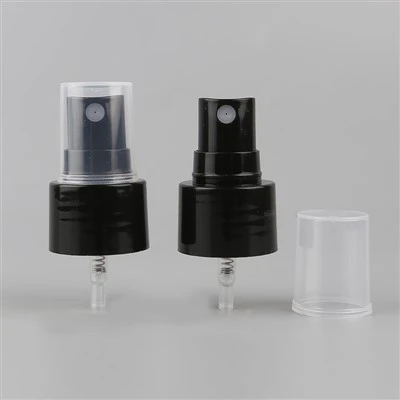
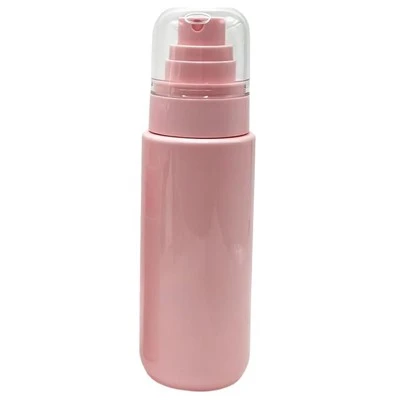
- Cosmetic Spray Pump: Ideal for products that need to be dispensed as a fine mist, such as perfumes, hair sprays, and facial mists.
- Flocked Bottle: Flocked bottles are not only aesthetically pleasing but can also provide a luxurious feel for your product. They are often used for high-end cosmetics and skincare products.
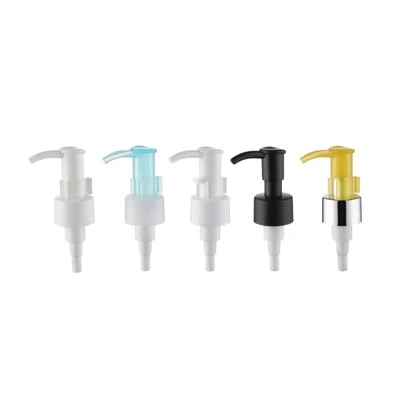
- Makeup Remover Pump Dispenser: Specifically designed for makeup removers, these dispensers ensure easy and controlled dispensing of the product.
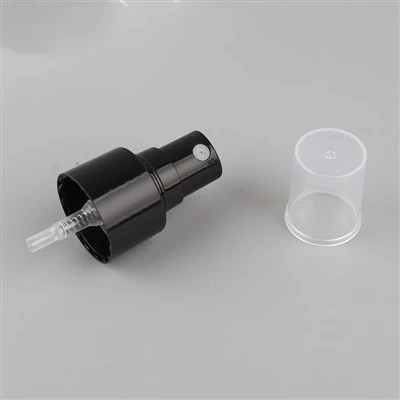
- Screw-on Spray Pump: A simple and cost-effective option for products that need to be sprayed. Screw-on spray pumps are widely used in the cosmetic and household industries.
Conclusion
Choosing the right airless pump for your product is a complex decision that requires careful consideration of various factors, including product compatibility, design, functionality, cost, and other considerations such as sustainability and regulatory compliance. As an airless pump supplier, I'm here to help you navigate this process and find the perfect solution for your product.
If you're interested in learning more about our airless pumps or other packaging solutions, or if you have any questions about choosing the right pump for your product, please don't hesitate to contact us. We'll be happy to discuss your specific needs and provide you with a customized solution.
References
- Packaging World. "Choosing the Right Dispensing Pump for Your Product."
- Cosmetics & Toiletries. "Airless Packaging: The Future of Cosmetic Dispensing."
- Pharmaceutical Technology. "Considerations for Selecting Airless Pumps in Pharmaceutical Packaging."