
Do pump dispensers work with acidic liquids? This is a question that often arises in various industries, especially in the cosmetic, pharmaceutical, and cleaning sectors. As a pump dispenser supplier, I've dealt with numerous inquiries about the compatibility of our pump dispensers with acidic substances. In this blog, I'll delve into the science behind it, explore different types of pump dispensers we offer, and provide insights to help you make informed decisions.
Understanding Acidic Liquids
Before discussing the compatibility of pump dispensers with acidic liquids, it's essential to understand what acidic liquids are. Acids are substances that release hydrogen ions (H+) when dissolved in water. The acidity of a liquid is measured on the pH scale, which ranges from 0 to 14. A pH of 7 is considered neutral, values below 7 are acidic, and values above 7 are alkaline or basic.
Acidic liquids can vary widely in their chemical composition and acidity levels. Weak acids, such as acetic acid in vinegar (pH around 2.4 - 3.4), are relatively mild and commonly used in household and food applications. On the other hand, strong acids like sulfuric acid (pH close to 0) are highly corrosive and can react violently with many materials.


How Pump Dispensers Work
Pump dispensers are mechanical devices designed to dispense liquids in a controlled manner. The basic principle involves creating a pressure difference within the dispenser. When the pump is actuated, usually by pressing a head or trigger, it draws liquid from a container into a chamber and then forces it out through a nozzle.
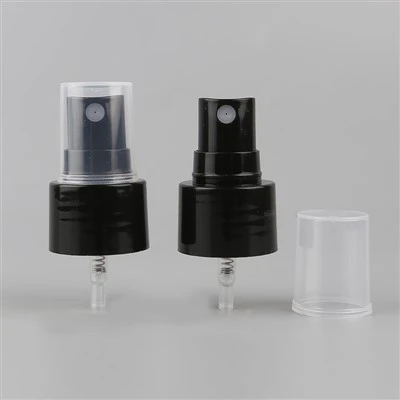
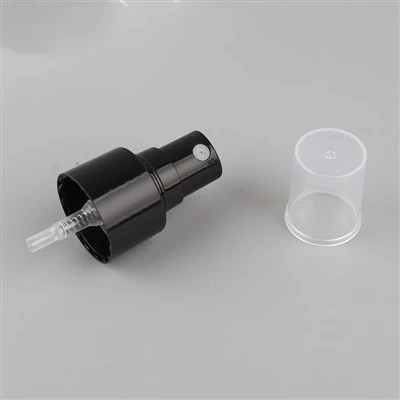
There are several components in a pump dispenser, including the pump body, piston, spring, dip tube, and nozzle. Each of these components is made of different materials, such as plastics (e.g., polyethylene, polypropylene), metals (e.g., stainless steel, aluminum), and rubbers (e.g., silicone). The choice of materials is crucial as it determines the dispenser's compatibility with different types of liquids, including acidic ones.
Compatibility of Pump Dispensers with Acidic Liquids
The compatibility of a pump dispenser with an acidic liquid depends on several factors, mainly the material of the dispenser's components and the nature of the acid.
Material Selection
- Plastics: Many pump dispensers use plastics for their main body and some internal components. Polyethylene (PE) and polypropylene (PP) are commonly used due to their chemical resistance, low cost, and ease of manufacturing. PE and PP are generally resistant to a wide range of weak acids, making them suitable for applications involving mild acidic solutions like those in cosmetics and household cleaners.
- Metals: Stainless steel is a popular choice for components like springs and pistons in pump dispensers. It offers good strength and corrosion resistance. However, not all stainless steel grades are equally resistant to acids. For example, 304 stainless steel is susceptible to corrosion by certain acids, especially in high concentrations or at elevated temperatures. In contrast, 316 stainless steel, which contains molybdenum, has better resistance to corrosion from many acids and is a better option for use with acidic liquids.
- Rubbers and Seals: Silicone rubber is often used for seals in pump dispensers because of its flexibility, heat resistance, and chemical stability. It can withstand a range of acidic environments, but like all materials, its performance may degrade over time when exposed to highly concentrated or aggressive acids.
Acid Concentration and Type
The concentration of the acid plays a significant role in determining compatibility. A low - concentration acid may not cause significant damage to a pump dispenser, while a high - concentration acid can corrode or degrade the materials more quickly. Additionally, different types of acids have different reactivity profiles. For example, hydrochloric acid is a strong acid that can react with many metals, while citric acid, a weak organic acid, is generally less corrosive.
Types of Pump Dispensers and Their Acid Resistance
Screw-on Spray Pump
Screw-on spray pumps are commonly used for products like perfumes, hair sprays, and some cleaning sprays. These pumps are typically made of a combination of plastics and a small metal spring. The plastic parts are often made of polypropylene, which provides good resistance to weak acidic solutions. However, the metal spring needs to be carefully selected. If it's made of a corrosion - resistant stainless steel grade like 316, it can withstand mild acidic environments.
Cosmetic Lotion Pump
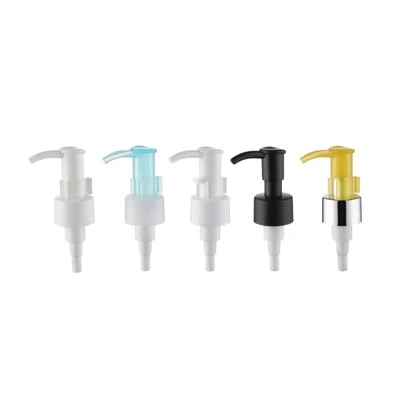
Cosmetic lotion pumps are designed to dispense lotions, creams, and other viscous cosmetic products. They usually have a plastic body and a piston mechanism. The plastics used are often chosen for their compatibility with cosmetic ingredients, which can include mild acids like lactic acid or salicylic acid used in skin care products. The internal components are engineered to ensure smooth operation and long - term durability in contact with these acidic substances.
Makeup Remover Pump Dispenser
Makeup remover pump dispensers may come into contact with acidic ingredients, such as those in oil - free makeup removers that can contain mild acids to help break down makeup and cleanse the skin. The materials used in these dispensers are selected to be resistant to the acidic environment and also to prevent any contamination of the product.
Cosmetic Spray Pump
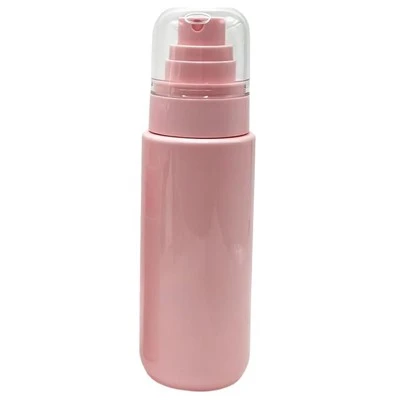
Similar to screw - on spray pumps, cosmetic spray pumps are used for products like facial mists and setting sprays. These pumps need to be compatible with the various ingredients in cosmetic formulations, which can include acidic components. The design and material selection aim to ensure a fine and consistent spray while maintaining resistance to acidic substances.
Airless Pump
Airless pumps are designed to prevent air from entering the container, which helps preserve the product's integrity. They are commonly used for high - end cosmetic and skincare products. The inner components of airless pumps are made of materials that can withstand the acidic nature of some skincare ingredients, such as vitamin C serums, which have a relatively low pH.
Testing and Quality Assurance
As a pump dispenser supplier, we conduct rigorous testing to ensure the compatibility of our products with acidic liquids. Our testing process includes:
- Chemical Compatibility Testing: We expose the pump dispenser components to different acidic solutions at various concentrations and temperatures for extended periods. This helps us evaluate the material's resistance and any potential degradation over time.
- Performance Testing: After chemical exposure, we test the pump's performance, including its dispensing accuracy, spray pattern (for spray pumps), and ease of operation. This ensures that the dispenser functions properly even after contact with acidic substances.
Conclusion
In general, many pump dispensers can work with acidic liquids, especially when the acid is of low concentration and the dispenser's materials are carefully selected. However, it's crucial to consider the specific type of acid, its concentration, and the intended application. As a pump dispenser supplier, we are committed to providing high - quality products that meet the diverse needs of our customers, including those dealing with acidic liquids.
If you are in the market for pump dispensers and need to use them with acidic liquids, we are here to help. Our team of experts can provide you with detailed information on the compatibility of our products, assist you in choosing the right dispenser for your specific requirements, and offer guidance on product selection. We welcome you to contact us for further discussions and to start the procurement process. Let's work together to find the perfect pump dispenser solution for your acidic liquid applications.
References
- "Handbook of Chemistry and Physics". CRC Press.
- "Plastics in Contact with Food: A Practical Guide". Rapra Technology Limited.
- "Corrosion Resistance of Metals and Alloys". ASM International.