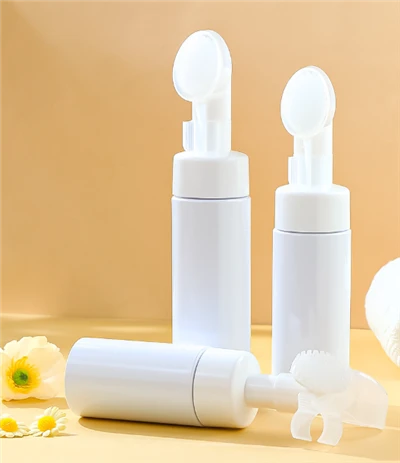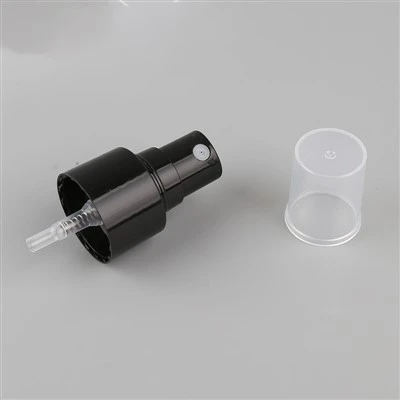

Hey there! I'm a supplier of Plastic Lotion Tubes. I often get asked about how plastic lotion tubes stack up against aluminum tubes. So, I thought I'd put together this blog post to break down the pros and cons of each and help you make an informed decision.
Material and Production
Let's start with the basics. Plastic lotion tubes are made from various types of plastics, such as polyethylene (PE) or polypropylene (PP). These plastics are lightweight, flexible, and relatively inexpensive to produce. The manufacturing process for plastic tubes involves extrusion and injection molding, which can produce large volumes quickly.
On the other hand, aluminum tubes are made from, well, aluminum. Aluminum is a strong and ductile metal that can be formed into thin, lightweight tubes. The production of aluminum tubes requires processes like drawing and annealing, which are a bit more complex and energy-intensive than plastic tube production.
Cost
Cost is often a major factor when choosing packaging. Plastic lotion tubes are generally more affordable than aluminum tubes. The raw materials for plastic are cheaper, and the manufacturing processes are less expensive as well. This makes plastic tubes a great option for budget-conscious brands or products with high production volumes.
If you're just starting out or looking to keep your costs down, Plastic Lotion Tubes are definitely worth considering. However, if you're aiming for a high-end or luxury look, the cost of aluminum tubes might be justified.
Durability and Protection
When it comes to durability, both plastic and aluminum tubes have their strengths. Plastic tubes are flexible and resistant to impact, which means they're less likely to crack or break during transportation. However, they can be scratched more easily, which might affect the appearance of your product.
Aluminum tubes, on the other hand, are more rigid and offer better protection against physical damage. They're also highly resistant to corrosion, which makes them a great choice for products that need to be protected from moisture or other environmental factors. But, aluminum tubes can dent if they're dropped or mishandled.
Barrier Properties
Barrier properties are crucial for protecting the contents of your lotion tubes. Plastic tubes can provide a good barrier against oxygen, moisture, and light, but the level of protection depends on the type of plastic and the thickness of the tube. Some plastics, like high-density polyethylene (HDPE), offer better barrier properties than others.
Aluminum tubes are excellent at blocking oxygen, moisture, and light. This makes them ideal for products that are sensitive to these elements, such as lotions with active ingredients that can be degraded by oxygen or light. If your product requires a high level of protection, aluminum tubes might be the better choice.
Sustainability
Sustainability is a hot topic these days, and both plastic and aluminum tubes have their environmental impacts. Plastic tubes are made from non-renewable resources and can take hundreds of years to decompose in landfills. However, some plastic tubes can be recycled, and there are also biodegradable and compostable options available.


Aluminum is a highly recyclable material, and recycling aluminum uses significantly less energy than producing new aluminum. However, the production of aluminum is energy-intensive and can have a large carbon footprint. If sustainability is a priority for your brand, you might want to consider the entire lifecycle of the tube, from production to disposal.
Aesthetics and Branding
The look and feel of your packaging can have a big impact on your brand. Plastic lotion tubes come in a wide range of colors, shapes, and sizes, and they can be easily customized with labels, printing, or embossing. This gives you a lot of flexibility when it comes to creating a unique and eye-catching design.
Aluminum tubes have a more premium and luxurious look and feel. They can be anodized or coated to achieve different finishes, such as matte or glossy. Aluminum tubes also have a unique metallic sheen that can make your product stand out on the shelf. If you're targeting a high-end market, aluminum tubes might help you convey a sense of quality and sophistication.
Product Dispensing
The way your product is dispensed can also affect the user experience. Plastic lotion tubes are typically designed with a screw-on cap or a flip-top lid, which makes them easy to open and close. They're also flexible, which allows for easy squeezing and dispensing of the lotion.
Aluminum tubes often have a more precise dispensing mechanism, such as a nozzle or a pump. This can be useful for products that require a controlled amount of lotion to be dispensed, such as creams or serums. However, the dispensing mechanism on aluminum tubes can be more complex and expensive to manufacture.
Compatibility with Different Lotions
Not all lotions are compatible with all types of tubes. Some lotions contain ingredients that can react with certain plastics or metals. For example, lotions with high alcohol content might cause plastic tubes to become brittle over time.
Plastic tubes are generally compatible with a wide range of lotions, but it's important to test your product with the tube to ensure there are no compatibility issues. Aluminum tubes are more resistant to chemical reactions, but some lotions might cause the aluminum to corrode if they're left in the tube for a long time.
Market Trends
The beauty and skincare industry is constantly evolving, and so are the packaging trends. In recent years, there has been a growing demand for sustainable and eco-friendly packaging solutions. This has led to an increase in the use of recyclable and biodegradable plastic tubes, as well as the development of more innovative packaging designs.
Refillable and reusable packaging options are also becoming more popular. For example, Refillable Disinfectant Spray, Shampoo Reusable Bottle, and Portable Travel Bottles are all examples of products that are designed to reduce waste and promote sustainability.
Conclusion
So, how do plastic lotion tubes compare to aluminum tubes? It really depends on your specific needs and priorities. If you're looking for an affordable, lightweight, and customizable option, plastic lotion tubes might be the way to go. They're a great choice for a wide range of products and are suitable for most budgets.
On the other hand, if you're aiming for a high-end look, need excellent barrier properties, or are targeting a market that values sustainability, aluminum tubes could be a better fit. They offer better protection, a more premium feel, and are highly recyclable.
If you're interested in learning more about our Plastic Lotion Tubes or have any questions about packaging options, feel free to reach out. We'd love to help you find the perfect packaging solution for your product.
References
- Packaging Digest. (Year). "Comparing Plastic and Aluminum Packaging."
- Cosmetics & Toiletries Magazine. (Year). "The Future of Packaging in the Beauty Industry."
- Sustainable Packaging Coalition. (Year). "Guidelines for Sustainable Packaging."